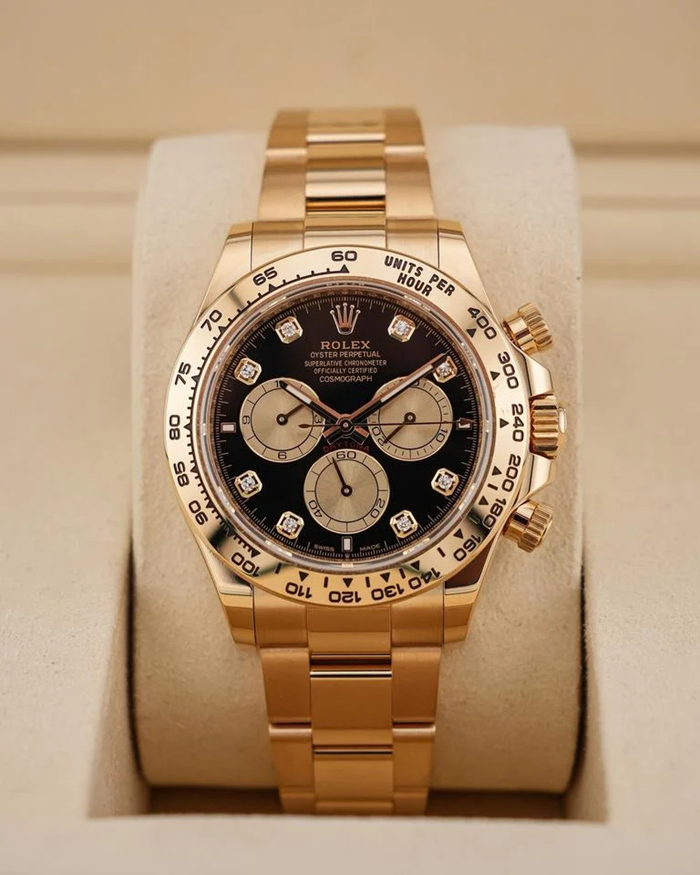
Inherited jewelry often holds both material and emotional value, so the decision to sell requires a considered approach. It is important to define the goal of the transaction beforehand, assess the metal’s condition and purity, check for gemstones, hallmarks, and documentation, and understand what drives the final price—whether it is the value of the scrap metal, the artistry, the brand, or its rarity as a collector’s item.
Before handing the jewelry https://luxebrokersgroup.com/sell/estate-jewelry/ over to a buyer, it is advisable to get a preliminary appraisal from specialists and compare various sales options—ranging from direct buy-back services to consignment sales. To prepare for the sale and understand the key criteria, it is helpful to research jewelry-related information online; this helps avoid undervaluing the items and ensures the safest transaction method.
Documents confirming the right to dispose of the jewelry and preventing claims from other heirs
Selling inherited jewelry is safest when the seller possesses documents explicitly confirming their status as the heir and proving that the inheritance was accepted in accordance with established legal procedures. The more transparent the chain of title—from the deceased to the seller—the fewer grounds there are for challenging the transaction or facing claims from other relatives.
In practice, disputes most often arise due to a lack of proof regarding the acceptance of the inheritance, unresolved share allocations among multiple heirs, or attempts to sell items before formalizing rights with a notary. Therefore, the primary task is to gather a set of documents confirming one’s status as an heir, the composition of the inherited estate, and the absence of outstanding issues with other claimants.
Key supporting documents
The fundamental document usually accepted as primary proof of the right to dispose of the property is the certificate of the right to inheritance issued by a notary.
If the jewelry is being distributed among several heirs, it is important that the documentation specifies the exact share or specific items passing to you; otherwise, other heirs might have grounds to claim an infringement of their rights.
- Certificate of the Right to Inheritance (whether by law or by will)—confirms your status as an heir and the specific rights or shares you have acquired.
- The will (in cases of testamentary succession) and the notary’s confirmation of its validity—helps resolve any questions regarding the priority of heirs.
- Agreement on the division of inherited property (if there are multiple heirs)—formalizes who received specific pieces of jewelry and minimizes the risk of disputes regarding shares.
- Notarized renunciations of inheritance from other heirs (if applicable)—confirm that the pool of claimants has been legally narrowed.
- Proof of acceptance of inheritance (if necessary)—for example, documents showing the submission of the application to the notary and the completion of the probate proceedings, should a counterparty raise questions about timelines or procedures.
It is also useful to have documents confirming the decedent’s ownership of the jewelry and the specific characteristics of the items. While not always a mandatory requirement, this significantly facilitates proving good faith and the item’s provenance should a dispute arise.
- Item documentation: tags, product passports, certificates, receipts/invoices, and warranty cards—all strengthen evidence regarding provenance and identification.
- Photographs and inventory records (including those from inheritance proceedings, such as an inventory conducted by a notary)—help confirm that the item being sold is indeed the one that was part of the estate.
- Appraiser/expert opinion (optional)—useful for justifying a reasonable price and mitigating the risk of accusations that the item was sold at an “undervalued price” to the detriment of other heirs.
How to minimize the risk of claims from heirs during the sale
If there are multiple heirs, the least contentious approach is to sell the jewelry only after the inheritance has been divided and you possess documents explicitly stating that the specific items belong to you. If the division has not been formalized, the sale could be viewed as a disposition of joint property; in such cases, other heirs might demand compensation or the return of the item, or challenge the transaction regarding their share.
In contentious situations, it is prudent to obtain written consent for the sale from the other heirs or to enter into an agreement that outlines the sales procedure and the distribution of proceeds. It is also important to retain records of settlements and the terms of the transaction; this helps demonstrate that you acted in good faith and did not infringe upon the rights of other heirs.
- Sell only after formalizing the inheritance: possessing a notarial certificate and a finalized division of assets is a key safeguard.
- Document consents in writing: this is especially important when there are multiple heirs and specific assets have not been individually allocated.
- Preserve evidence of the transaction: contracts or receipts, proof of payment, and correspondence regarding terms will prove useful in the event of potential claims.