The kitchen is a space where cooking, storage, socializing, and cleaning come together daily, so renovations here should be not only beautiful but also as practical as possible. A successful result depends on a well-designed layout, the right materials, and a clear workflow.
Ideas for a Modern Kitchen
When choosing a concept on https://asapreno.ca/, consider your actual habits: how much you cook, how you store food, whether you need a breakfast area, and how many people are in the kitchen at a time.
Layout and the Work Triangle
The key logic of a kitchen is built around three points: sink, stove, and refrigerator. The more convenient their relative positions, the fewer unnecessary movements and the faster the cooking process.
- A linear kitchen is suitable for narrow spaces; It’s important to enhance the lighting in the work area.
- The L-shaped kitchen is versatile: it’s easy to separate cooking and storage areas, or add a dining table.
- The U-shaped kitchen is convenient if there’s enough space; consider passageways no narrower than 100–110 cm.
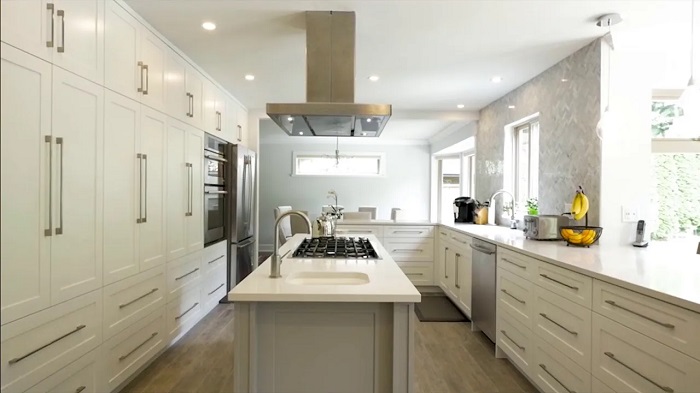
- An island or peninsula adds work surface and storage space, but requires space and pre-installed utilities.
Materials: Practicality over fashion
The kitchen is exposed to steam, grease, temperature changes, and frequent cleaning, so the finish must be durable and repairable.
- Backsplash: porcelain stoneware, tile, tempered glass, or compact slab – easy to clean, difficult to scratch.
- Countertop: quartz agglomerate – durable and low-maintenance; HPL/postforming is more cost-effective, but edge protection is important; natural stone requires maintenance.
- Floor: porcelain stoneware or moisture-resistant quartz vinyl; choose a non-slip texture.
- Facades: matte finishes are more practical than glossy finishes with fingerprints; high-quality edging and hardware extend the lifespan.
Problem Diagnosis: Which Kitchen Defects Should Be Corrected First?
When renovating a kitchen, it’s important to first identify defects that affect safety, the functionality of utilities, and the integrity of the finish. Correctly addressing problems reduces the risk of repeated rework and unnecessary costs.
It’s best to inspect from the critical to the cosmetic: first, the engineering and foundations, then the functional elements, and only then the appearance. Below are the priorities to consider.
Defect Troubleshooting Priorities
- Dangerous and Emergency Problems
- Electrical: Sparking, overheating outlets, burning smell, tripped circuit breakers, no grounding, improper stove/oven connection.
- Gas (if present): gas smell, old/damaged hoses, inaccessible faucet, questionable connections. Work – by specialists only.
- Water: leaks under the sink, near the faucet, at joints, wet spots on the walls/floor, swelling of chipboard in furniture.
- Ventilation: lack of draft, backdraft, persistent odors and condensation – risk of mold and damage to the finish.
- Substrates and hidden defects
- Floor/screed: significant differences in level, creaking, “springy” areas, cracks – affect the installation of tiles/laminate and the geometry of the kitchen.
- Walls: loose plaster, deep cracks, peeling, traces of mold – first eliminate the cause, then restore.
- Ceiling: traces of leaks, mold, cracking – otherwise, a new finish will quickly be needed will suffer.
- Communications and Ergonomics
- Electrical points: not enough sockets for appliances, incorrect height/location, overloaded lines, lack of separate lines for high-power devices.
- Ventilation duct and exhaust hood: incorrect diameter/route of the air duct, no check valve, excessively long lines with a large number of turns.
- Furniture and appliances (functional malfunctions)
- Facades and cabinets: distortions, subsidence, swelling from moisture, loose fasteners, incorrect clearances.
- Hardware: hinges and guides with play, spontaneous closing/opening, sagging drawers.
- Countertop/backsplash: leaky joints, cracks, peeling, destruction Seams – risk of water ingress and damage to the foundation.
- Equipment: unstable operation, overheating, improper connection, insufficient ventilation gaps.
- Cosmetic and minor defects
- Scuffs, chips, imperfect grout lines, minor paint imperfections, and localized tile defects (if they do not affect the seal).
- Replacing baseboards, handles, and decorative strips after completing “dirty” and engineering work.
Summary: Safety-related defects (electrical, gas, water, ventilation) are corrected first, followed by foundation issues and hidden damage, and finally by layout and planning errors that affect convenience and reliability. It makes sense to correct cosmetic defects at the very end, when leaks, overheating, distortions, and repeated “dirty” work are excluded.